
Ontario Auto Insurance Changes Coming July 1, 2026: What You Need to Know
Beginning July 1, 2026, Ontario is making changes to auto insurance to give drivers more choice and flexibility. Drivers will be able to choose benefits...
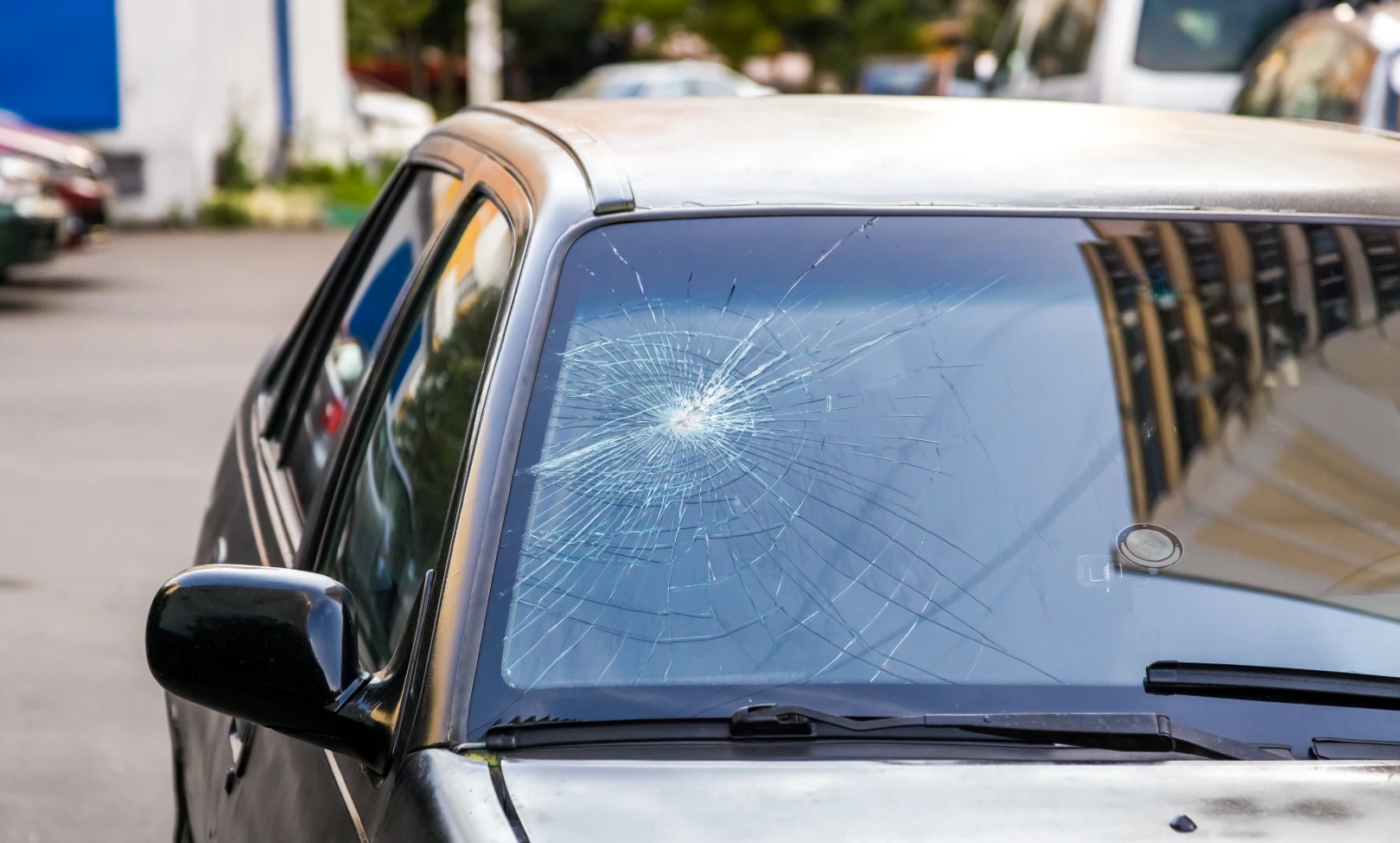
Comprehensive coverage is optional auto insurance that protects your vehicle from damage caused by non-collision events such as theft, vandalism, weather, and other unexpected incidents. While collision coverage protects your vehicle during accidents, comprehensive coverage addresses the risks that happen outside of driving—often when your car is parked or exposed to external factors.
This article covers comprehensive coverage. For more comprehensive information about car insurance in Ontario, check out our Ultimate Guide to Auto Insurance in Ontario.
Comprehensive coverage applies when your vehicle is damaged by events that are not caused by a collision or impact with another vehicle. This typically includes situations where:
This makes it one of the key coverages for protecting your vehicle from risks that are outside your control.
This coverage becomes relevant in everyday Ontario scenarios, such as:
These are the types of incidents that are not rare, but also not predictable, making comprehensive insurance a practical form of protection.
Comprehensive coverage protects against:
This is especially relevant in urban areas like Toronto or Hamilton, where theft rates and street parking exposure can increase risk. Without comprehensive coverage, these losses would need to be covered entirely out of pocket.
Damage caused by environmental factors is also covered under comprehensive insurance. This can include:
Ontario’s seasonal weather patterns make this coverage particularly valuable, as even a single storm can cause significant vehicle damage. Natural disaster and emergency guidance in Ontario highlights how weather events can impact property, including vehicles.
Comprehensive coverage also applies to damage caused by animals or other unexpected events. Examples include:
These events are categorized as non-collision losses and are handled under comprehensive coverage rather than collision insurance.
Comprehensive coverage does not apply to:
Each type of coverage is designed for a specific purpose, and comprehensive coverage focuses strictly on non-collision events. Ontario’s auto insurance requirements outline how different coverages are structured.
Other parts of your policy, like third-party liability insurance, cover damage or injury you cause to others.
Collisions can lead to loss of life in the worst cases. To help protect your loved ones financially in the event of the unexpected, explore our life insurance coverage options.
If your vehicle is damaged in a covered event, you file a claim with your insurer. The process typically involves:
Your deductible is then applied. For example:
If your vehicle is declared a total loss, your insurer will pay its actual cash value (ACV) at the time of the claim, minus your deductible.
Comprehensive and collision coverage work together to protect your vehicle from different types of risk.
Because these risks are different, many drivers carry both coverages to ensure full protection. Without both:
Choosing the right combination depends on your risk level.
Comprehensive coverage is not required by law in Ontario, but it is often required if you:
This ensures the vehicle is protected against non-collision risks until it is fully paid off. Coverage decisions can also vary depending on how you use your vehicle, including situations like rentals where protection may differ.
In some cases, comprehensive coverage may not provide enough value to justify the cost. For example:
In these cases, some drivers choose to remove comprehensive coverage and accept the potential cost of loss.
Your deductible directly affects both your premium and your financial exposure.
Choosing the right deductible depends on:
Comprehensive coverage is particularly relevant in Ontario due to real-world risks such as:
These risks are often outside your control, but they can result in significant financial loss. Comprehensive coverage helps protect against these scenarios, providing a level of financial security for events that are difficult to predict but increasingly common. Vehicle theft continues to be a growing concern across Ontario, particularly in urban areas.
Comprehensive coverage protects your vehicle from non-collision damage such as theft, vandalism, weather, and unexpected events. Key points to understand:
Comprehensive coverage is designed to protect against the types of losses that are hardest to plan for like theft, severe weather, and unexpected damage while your vehicle is parked. These events don’t happen every day, but when they do, the financial impact can be significant. Taking a few minutes to review your policy can help you:
If you’re unsure how comprehensive coverage fits into your policy, getting clarity now can help you avoid unexpected costs later.
A Regal Insurance broker can walk you through your current coverage, explain how it applies to rentals, and help you identify any gaps—so you’re protected without overpaying. Get a Quote or Speak with a Broker Today
Beginning July 1, 2026, Ontario is making changes to auto insurance to give drivers more choice and flexibility. Drivers will be able to choose benefits...


Third-party liability insurance is the part of your auto insurance that protects you financially if you cause injury to another person or damage to their...
Comprehensive coverage is optional auto insurance that protects your vehicle from damage caused by non-collision events such as theft, vandalism, weather, and other unexpected incidents....
No obligation, just great information!