
Ontario Auto Insurance Changes Coming July 1, 2026: What You Need to Know
Beginning July 1, 2026, Ontario is making changes to auto insurance to give drivers more choice and flexibility. Drivers will be able to choose benefits...
Collision coverage is optional auto insurance that pays for damage to your vehicle after an accident. Whether you need it depends on your vehicle, your financial situation, and your level of risk. Many drivers assume they are fully protected after an accident, only to find that without collision coverage, damage to their own vehicle is not covered in certain situations.
This guide explains what collision coverage includes, when it applies, when it may not be necessary, and how to decide if it’s worth it for your situation.
This article covers collision coverage. For more comprehensive information about car insurance in Ontario, check out our Ultimate Guide to Auto Insurance in Ontario.
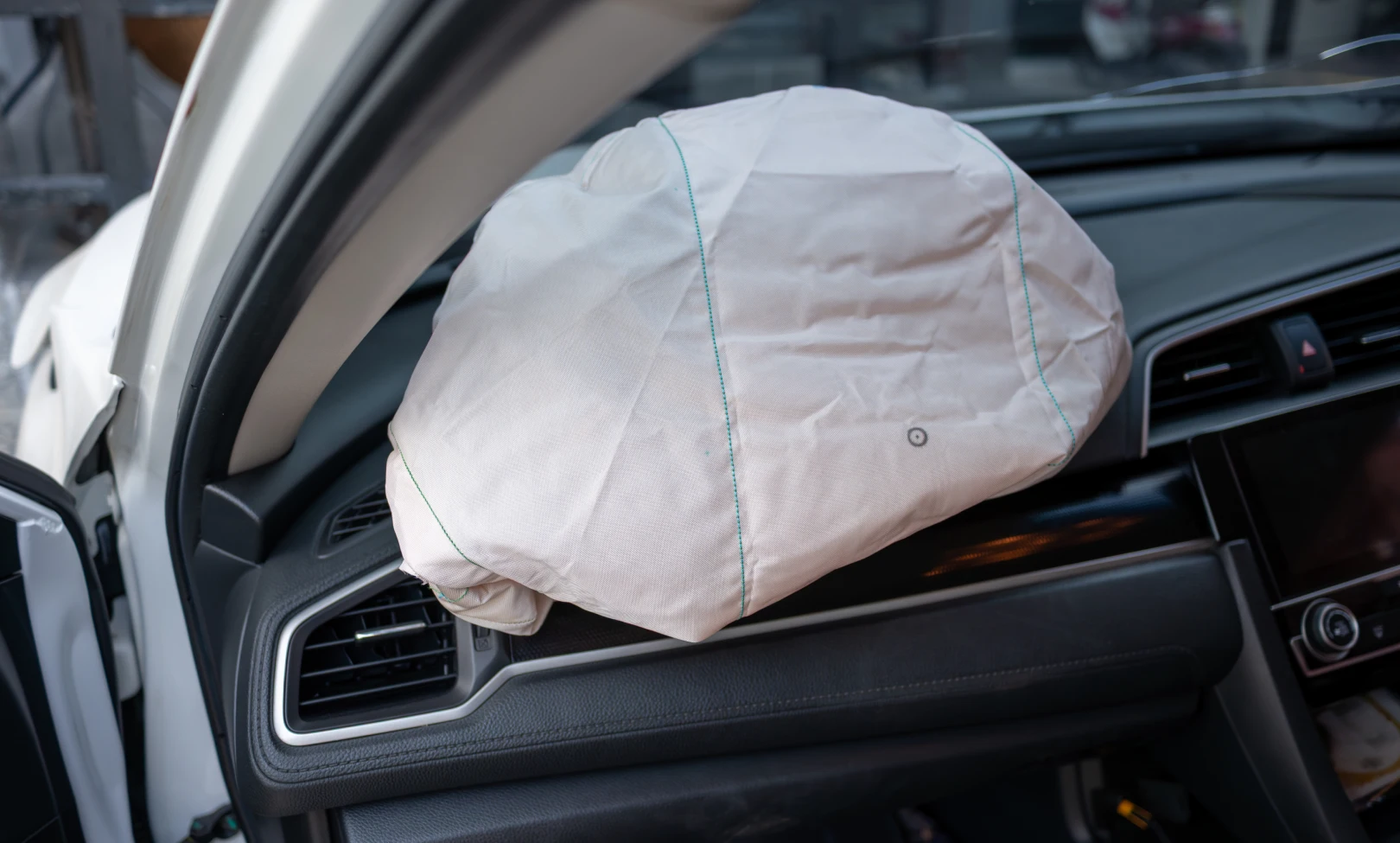
Collision coverage applies to physical damage to your own vehicle when it is involved in an accident. This includes:
Whether the damage is minor or severe, this coverage helps pay for repairs or replacement; reducing the amount you need to pay out of pocket.
Collision coverage is most important in situations where:
For example:
In these cases, there is no other insurer to rely on, which is why collision coverage plays a critical role in protecting your vehicle.
Collision coverage is designed to protect your vehicle when it is damaged in an accident involving impact. It applies regardless of who is at fault, making it one of the most important coverages for protecting the value of your vehicle.
Rather than relying on another driver’s insurance, this coverage ensures you have a clear path to repair or replace your vehicle after an accident.
If you are responsible for an accident involving another vehicle, collision coverage pays to repair or replace your own vehicle. This means:
This is especially important in situations where damage is significant and repair costs are high.
Collision coverage also applies when your vehicle is the only one involved in an accident. Common examples include:
In Ontario, where snow and ice can impact road conditions, single-vehicle accidents are not uncommon. Collision coverage ensures these types of incidents are still protected.
Damage caused by impact with stationary objects is also covered under collision insurance. This can include:
As long as the damage is caused by a collision or impact, it typically falls under this coverage.
While collision coverage protects your vehicle from impact-related damage, it does not apply to every type of loss. Understanding these limitations helps ensure you have the right combination of coverage and avoid unexpected gaps. In general, collision coverage applies only when damage is caused by a collision or impact. Anything outside of that scope falls under other types of coverage or is not insurable.
Damage or loss caused by events outside of a collision are not covered under collision insurance. This includes:
These situations fall under comprehensive coverage, which is designed to handle non-collision risks.
Collision coverage does not apply to issues related to the condition of your vehicle over time. Examples not covered:
These are considered ownership and maintenance responsibilities, not insurable events.
If the damage is not caused by a collision or impact, collision coverage will not apply. This means:
Understanding this distinction helps ensure you have the right combination of coverage types to fully protect your vehicle.
Collision coverage protects your vehicle when it is damaged in an accident involving impact, whether with another vehicle or an object. It does not cover non-collision events, which is why many drivers pair it with comprehensive coverage for more complete protection.
Understanding how collision coverage works during a claim helps you know exactly what to expect after an accident, including what you will pay and what your insurer will cover. While the process is straightforward, the financial outcome depends on your deductible, your vehicle’s value, and the extent of the damage.
After an accident, you typically begin by filing a claim with your insurance provider. From there, your insurer will assess the damage and determine how your coverage applies. The process generally involves:
Once the claim is approved, your deductible is applied. For example:
Ontario’s insurance framework also outlines how claims are handled through your own insurer.
If the cost to repair your vehicle exceeds its value, your insurer may declare it a total loss. In this case:
This is an important consideration for newer vehicles, where depreciation can significantly affect the payout amount.
Collision and comprehensive coverage are often grouped together, but they protect against different types of risk. Understanding the distinction is key to knowing whether you need one, the other, or both. The simplest way to think about it is:
Collision coverage applies when your vehicle is damaged due to an accident involving impact. This includes:
Comprehensive coverage applies when damage is caused by events that are not related to a collision. This includes:
Because these cover different causes of damage, they are often used together to provide more complete protection.
| Coverage Type | What It Covers | Common Examples |
| Collision | Damage from accidents involving your vehicle | At-fault crash, hitting a pole, sliding into a ditch |
| Comprehensive | Damage from non-collision events | Theft, vandalism, hail, fire, falling objects |
Many drivers carry both coverages because they protect against different and equally important risks.
Together, they provide a more complete level of protection for your vehicle. However, depending on your situation:
Understanding how they complement each other helps ensure your policy is structured to match real-world risks, not assumptions.
While collision coverage is optional in most cases, there are situations where it is effectively required, either by a lender or due to the financial risk involved. Understanding these scenarios helps clarify when collision coverage is not just a choice, but a practical necessity.
If you lease or finance your vehicle, collision coverage is almost always required by the lender. This is because:
In these cases, your insurance policy must include:
This requirement typically remains in place until:
Without this coverage, you would be in violation of your agreement, and the lender may impose additional insurance or penalties.
Even when not required by a lender, collision coverage is often considered essential for newer or higher-value vehicles. This is because:
In these situations, collision coverage helps protect the value of your vehicle and limits your financial exposure after an accident.
As vehicles depreciate, there comes a point where the cost to repair or replace the vehicle may be close to or less than your deductible or the annual cost of coverage. For example:
In this situation, you are paying for coverage that may not provide meaningful financial benefit. This is why many drivers choose to remove collision coverage once their vehicle reaches a certain age or value.
Deciding whether to keep collision coverage often comes down to your willingness to take on financial risk. Without collision coverage:
With collision coverage:
The decision depends on:
Your deductible is the portion of a claim that you are responsible for paying before your insurance coverage applies.
In general:
For example:
This trade-off means your deductible should reflect what you can realistically afford to pay if something happens.
Ontario drivers regularly navigate:
In these environments, even low-speed accidents such as rear-end collisions or parking lot incidents can result in costly damage. Because collision coverage applies regardless of fault, it ensures that your vehicle is protected even when:
Collisions can lead to serious injuries or even loss of life. To help protect your loved ones financially in the event of the unexpected, explore our life insurance coverage options.
Ontario’s weather adds another layer of risk, particularly during the winter months. Common conditions include:
These factors increase the likelihood of:
Collision coverage plays a key role in these situations, where damage is often caused by impact rather than external events.
Vehicle repair costs have increased significantly due to:
Even relatively minor damage can cost thousands of dollars to repair.
Without collision coverage:
With collision coverage:
Collision coverage is designed to protect your vehicle after an accident, but whether you need it depends on your vehicle’s value, your deductible, and your ability to take on financial risk. Key points to understand:
Understanding how collision coverage fits into your overall policy helps you make more informed decisions about your protection, not just whether the coverage exists.
Collision coverage is one of the most important decisions when building your auto insurance policy, but it’s also one of the most misunderstood. Taking the time to review your coverage can help you:
If you’re unsure whether collision coverage makes sense for your vehicle, a quick review can provide clarity and help you make a more confident decision.
A Regal Insurance broker can walk you through your current coverage, explain how it applies to rentals, and help you identify any gaps—so you’re protected without overpaying. Get a Quote or Speak with a Broker Today
Beginning July 1, 2026, Ontario is making changes to auto insurance to give drivers more choice and flexibility. Drivers will be able to choose benefits...

Third-party liability insurance is the part of your auto insurance that protects you financially if you cause injury to another person or damage to their...
Comprehensive coverage is optional auto insurance that protects your vehicle from damage caused by non-collision events such as theft, vandalism, weather, and other unexpected incidents....
No obligation, just great information!