Auto Insurance for New Drivers in Ontario: What You Need to Know
Getting auto insurance for the first time can feel complicated. Beyond finding a policy, you need to understand what coverage you need, what affects the...
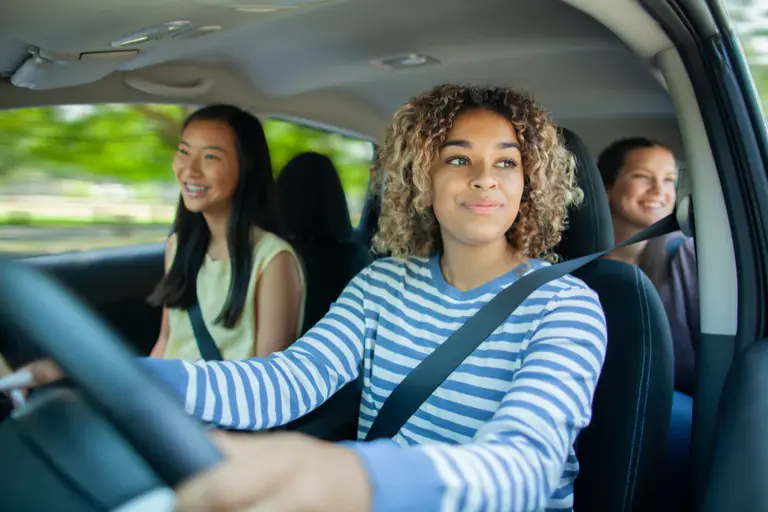
Driving your own vehicle for Uber, Uber Eats, or another app-based service changes how that vehicle is being used, and that can change how your auto insurance applies.
Rideshare and delivery drivers may be covered by a combination of their personal auto insurance and insurance arranged through the platform. The important part is understanding which coverage applies at different times, because the answer can change depending on whether you are using the vehicle personally, waiting for a request, or completing a ride or delivery.
Before you start driving, make sure both your personal insurer and the platform have the information they require. Regal’s Ultimate Guide to Auto Insurance in Ontario provides a broader overview of how personal auto insurance works in the province.
You should not assume that an ordinary personal auto insurance policy automatically covers ridesharing or delivery work.
Ontario has insurance products designed for approved ridesharing and vehicle-for-hire activities, and some delivery platforms also arrange coverage for eligible drivers while they are using the app for covered work. The exact arrangement depends on the platform and your personal insurance.
That makes it important to check the insurance requirements before you begin driving rather than waiting until you need to make a claim.
Personal auto insurance is generally written based on how you tell the insurer the vehicle will be used. Using it to transport passengers for compensation or make commercial deliveries can introduce a type of use that is not covered under an ordinary personal policy unless an appropriate insurance arrangement is in place.
This does not necessarily mean you need to purchase a separate commercial auto policy yourself. Some rideshare and delivery companies have insurance products approved for use in Ontario that provide coverage during specified periods of platform activity.
FSRA maintains a list of approved ridesharing and delivery insurance products in Ontario, making it a useful place to verify whether a particular platform has an approved insurance arrangement and understand how that coverage works.
Insurance provided or arranged through a rideshare or delivery platform should not be treated as a substitute for personal auto insurance.
You still need appropriate personal insurance for the vehicle. Platform coverage applies only under the circumstances defined by that insurance arrangement, while your personal policy remains important when you are using the vehicle outside covered platform activity.
This distinction is especially important because coverage can change as you move between personal driving and work through an app. Understanding where one policy stops and another begins can help prevent assumptions about coverage when you are on the road.
Uber maintains commercial auto insurance for eligible rideshare drivers in Ontario while they are using the app for ridesharing. However, that coverage does not apply in the same way at all times.
Your status in the app matters because it helps determine which insurance applies.
When the Uber app is turned off and you are using your vehicle for personal driving, you rely on your personal auto insurance.
Once you go online and make yourself available to accept a ride, Uber’s commercial insurance arrangement can come into play. Coverage also applies after you accept a request, while travelling to pick up the passenger, and during the trip.
This is why the distinction between being offline, available for a request, and completing a trip matters. The coverage and limits that apply can change depending on what you were doing in the app at the time.
Uber’s Ontario commercial auto insurance provides protection such as third-party liability and accident benefits during covered rideshare periods. The applicable coverage and limits depend on your activity in the app.
Drivers should review Uber’s current Ontario insurance information and policy documents so they understand the protection that applies while they are online and completing trips.
Coverage for damage to your own vehicle works differently.
Uber describes its Ontario collision and comprehensive protection as contingent coverage. To qualify for this protection under Uber’s commercial policy, participating drivers must also carry collision and comprehensive coverage on their personal auto insurance policy.
If you do not carry these coverages personally, you should not assume Uber’s policy will cover damage to your vehicle. Understanding how comprehensive coverage protects your vehicle and how collision coverage works can help you evaluate the protection you have before using your car for rideshare work.
Insurance for app-based delivery work is not one-size-fits-all. The coverage available while you make deliveries depends on the platform you drive for and its insurance arrangement in Ontario.
Uber Eats is one example of a delivery platform with commercial auto insurance for eligible Ontario drivers during specified periods of activity in the app.
Other delivery companies may use different insurers, coverage periods, limits, or policy arrangements. Before driving, find out what the platform provides and what insurance you are responsible for maintaining yourself.
Before using your vehicle for a delivery service, check whether the platform has an approved ridesharing or delivery insurance product in Ontario. You should also review the platform’s current insurance documents to understand when its coverage applies, what it includes, and any conditions you need to meet.
If you drive for more than one delivery app, check each platform separately. An insurance arrangement that applies while you are working through one app should not be assumed to cover your activity on another.
Yes. If you plan to use your vehicle for ridesharing or delivery work, tell your insurance broker or insurer before you start driving.
Your personal auto policy is based in part on how your vehicle is used. Ridesharing or making deliveries changes that use, even when a platform provides commercial insurance during certain periods. Your insurer needs accurate information so it can confirm how your personal policy applies and whether any changes are required.
For Uber specifically, Ontario drivers are instructed to notify their personal auto insurer about their ridesharing or delivery activity. You should also check the insurance requirements of any other platform you drive for.
Keep your insurer informed if your situation changes, such as switching platforms, adding delivery work to ridesharing, or significantly changing how you use your vehicle.
An accident while driving for a rideshare or delivery app can involve your personal auto policy, the platform’s commercial insurance, or both, depending on the circumstances.
What you were doing at the time of the accident is therefore an important part of determining which insurance arrangement applies.
If the app was off and you were driving for personal reasons, you would generally rely on your personal auto insurance.
If you were engaged in covered platform activity, such as waiting for a request, travelling to a pickup, carrying a passenger, or completing a delivery, the platform’s insurance may apply according to its policy terms.
Two accidents involving the same vehicle could therefore fall under different insurance arrangements depending on how the vehicle was being used at the time.
When reporting an accident, provide accurate information about your app activity. This may include whether the app was on or off, whether you were waiting for a request, whether you had accepted one, and whether a passenger or delivery was in the vehicle.
Report the accident promptly through the platform’s required process and notify your broker or insurer. Ontario’s standard auto policy requires you to report an accident involving injury or property damage within seven days, or as soon as possible afterward if you are unable to meet that deadline. Provide accurate details about your app status and any accepted trip or delivery.
Keep relevant records from the incident, including trip or delivery details and the information you exchanged at the scene. Having those details available can help document exactly what was happening when the accident occurred.
Before using your vehicle for ridesharing or deliveries, take time to understand the insurance arrangement that applies to your work. The goal is not simply to confirm that the platform provides insurance, but to understand how that coverage fits with your personal auto policy.
Pay particular attention to when the platform’s coverage applies, what protection it provides, and what costs or conditions could affect you if you need to make a claim.
Review the platform’s current insurance information to confirm which activities are covered and when you are expected to rely on your personal auto policy. This is especially important because platform insurance is tied to specific types of activity rather than providing continuous protection for everything you do with the vehicle.
If you use more than one rideshare or delivery app, review each platform’s insurance arrangement separately. Coverage available through one service should not be assumed to protect you while working through another.
Do not stop at confirming that insurance exists. Check what the platform’s policy covers, the limits that apply, and any deductibles or conditions that could affect a claim.
Pay particular attention to coverage for damage to your own vehicle. For example, Uber’s current Ontario coverage includes contingent collision and comprehensive protection for eligible drivers, subject to a $2,500 deductible and applicable coverage conditions. A deductible of that size could leave you responsible for a significant portion of a smaller vehicle-damage claim.
Comparing the platform’s protection with your personal policy can help you understand where you are covered, what you could have to pay yourself, and whether there are limitations you should know about before you begin driving.
Ask your broker or insurer how rideshare or delivery work affects your personal policy’s eligibility, coverage and premium. Your premium depends on the rating factors and approved rating rules that apply to your policy, as well as how your insurer treats the specific use of your vehicle.
Ontario’s insurance regulator, FSRA, expects insurers to review their personal auto insurance rating and underwriting practices before January 1, 2027. Under this guidance, insurers should not decline personal coverage because a driver participates in a rideshare program backed by commercial insurance. Any additional personal-policy premium related to ridesharing should be supported by actuarial evidence of increased claims exposure for the personal insurer, despite the commercial coverage.
Delivery arrangements can differ from ridesharing, so there is no single pricing rule that applies to every app-based driver. Ask your broker or insurer how your specific vehicle use may affect your personal coverage and premium rather than assuming that platform-provided insurance means your personal policy will remain unchanged.
The right insurance setup depends on both your personal auto policy and the coverage provided by the platform you drive for. Understanding how the two work together before you start driving can help you avoid discovering an important coverage limitation only after an accident.
The details matter. When platform coverage applies, the protection it provides, the deductibles you could face, and the requirements of your personal insurer can all affect how well you are protected.
Planning to drive for Uber or a delivery app? Speak with a Regal Insurance broker before you get started. We can help you review your personal auto insurance, understand how your intended vehicle use may affect your policy, and clarify the coverage you may be relying on when you’re on the road.
Getting auto insurance for the first time can feel complicated. Beyond finding a policy, you need to understand what coverage you need, what affects the...

When your teenager starts driving, there’s more to think about than handing over the car keys. You also need to understand how their new licence...
Being considered a high-risk driver can make finding affordable auto insurance more difficult, but it does not mean you are out of options. Drivers can...
No obligation, just great information!